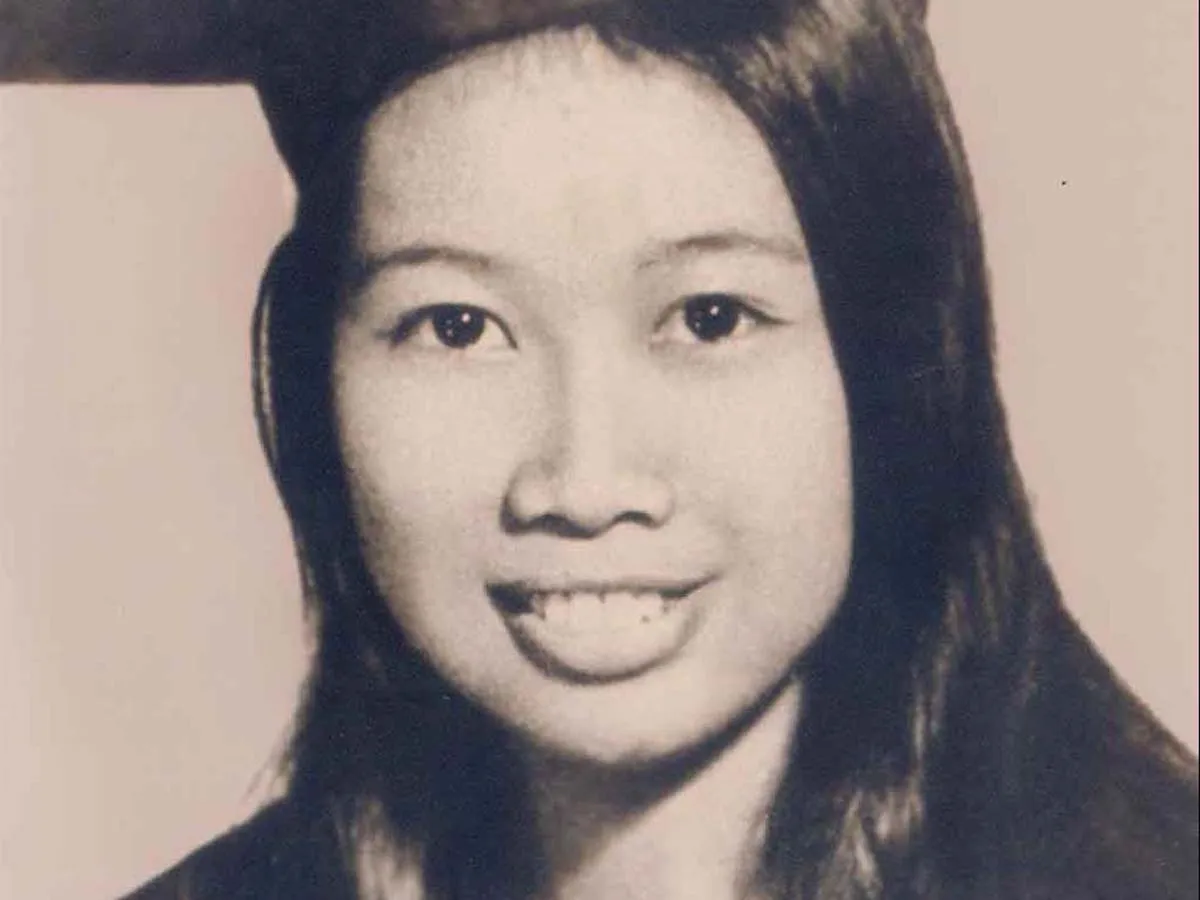
Liliosa Rapi Hilao: A Martyr of Martial Law
Liliosa Rapi Hilao (March 14, 1950 – April 5, 1973) was a Filipina student journalist and activist who became a symbol of resistance against the oppressive rule of Martial Law in the Philippines. She is remembered as the first political detainee to die in detention under Martial Law.
Early Life and Activism
Born in Bulan, Sorsogon, Liliosa was the seventh of nine children. She was a consistent honor student throughout her academic career. At the Pamantasan ng Lungsod ng Maynila (PLM), she pursued Communication Arts and was actively involved in student life. She served as an editor for the university paper *Hasik*, was the student president of the communication arts department, a representative to PLM's student central government, secretary of the Women's Club, and a member of the College Editors Guild of the Philippines. She even formed the Communication Arts Club. While sickly and unable to participate in protests, she expressed her views powerfully through her writing, with articles like "The Vietnamization of the Philippines" and "Democracy is Dead in the Philippines under Martial Law."
“Democracy is dead.” - Liliosa Hilao, in her diary, upon the declaration of Martial Law.
Arrest and Death
On April 4, 1973, Liliosa's home was raided by the Philippine Constabulary Anti-Narcotics Unit (CANU). Despite the lack of a warrant, they entered the house. Upon her arrival, Liliosa was subjected to violence by Lt. Arturo Castillo. The following day, she was taken to Camp Crame. Her sister, Josefina, who was also arrested, witnessed Liliosa's bloodied face, indicating torture. Three days later, the family was informed of Liliosa's death. While the official cause of death was cardio-respiratory arrest and suicide by muriatic acid, the visible injuries and circumstances strongly suggest torture and foul play. The family rejected the 2200 pesos offered by the Constabulary for burial expenses.
Aftermath and Legacy
Liliosa's death ignited outrage and became a symbol of the brutality of Martial Law. After the People Power Revolution, her family filed a lawsuit against Ferdinand Marcos for her wrongful death, alleging torture, rape, and the use of muriatic acid. The case, tried in US courts, resulted in a judgment of nearly $2 billion against the Marcos estate, though its full enforcement has been challenging. Liliosa's legacy extends beyond the legal battles. She is remembered as a martyr and a symbol of resistance. Her name is etched on the Bantayog ng mga Bayani's Wall of Remembrance, and a street in Bulan, Sorsogon, is named in her honor. She is an inspiration for activists fighting for human rights and a reminder of the importance of remembering the past to prevent future abuses.